Getting started with strength training can feel intimidating, but it’s a powerful way to transform your body and health. This guide provides a simple, point-by-point breakdown for beginners, focusing on safety, consistency, and a foundation for long-term success.
1. Understand the Benefits
Strength training is more than just building big muscles. It helps:
- Build Lean Mass & Burn Fat: Muscle tissue is metabolically active, meaning it burns more calories at rest than fat tissue.
- Strengthen Bones: Weight-bearing exercises increase bone density, helping to prevent osteoporosis.
- Improve Functional Fitness: It makes everyday tasks like carrying groceries or climbing stairs feel easier.
- Boost Mental Health: Exercise, especially strength training, has been shown to reduce anxiety and stress, and improve mood.
2. Prioritize Proper Form
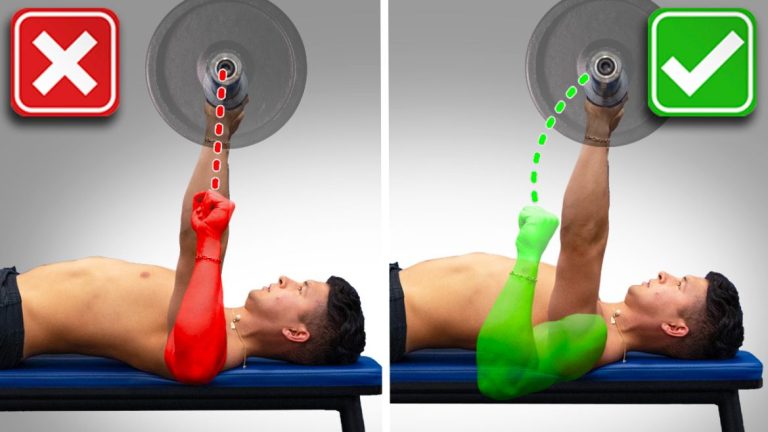
This is the most critical rule for a beginner. Using poor form can lead to injury and hinder your progress.
- Start with Bodyweight: Before adding any weight, master the movements with just your body. This allows your muscles to learn the correct pattern and builds a solid base.
- Focus on the Movement: Think about the muscles you’re working. For example, during a squat, think about sitting back into a chair rather than letting your knees go forward.
- Use a Mirror or Film Yourself: This is an excellent way to check your form from different angles and make corrections in real-time.
3. Choose the Right Exercises
For beginners, the best approach is to focus on compound movements, which work multiple muscle groups at once.
- Lower Body: Squats (bodyweight or goblet squats), Lunges, and Glute Bridges.
- Upper Body (Push): Push-ups (on knees or against a wall), Dumbbell Bench Press, and Overhead Press.
- Upper Body (Pull): Dumbbell Rows and Lat Pulldowns.
- Core: Planks and Crunches.
4. Structure Your Workouts
- Frequency: Aim for 2-3 full-body workouts per week, with at least one rest day in between. This allows your muscles to repair and grow stronger.
- Sets and Reps: A good starting point is 3 sets of 8-12 repetitions for each exercise.
- Rest: Take a 60-90 second rest between each set.
5. Start Light and Progress Slowly
- Choose a Weight: Select a weight that feels challenging by the last 2-3 reps but allows you to maintain perfect form. If you can’t complete all your reps with good form, the weight is too heavy.
- The Principle of Progressive Overload: The key to getting stronger is gradually increasing the demand on your muscles. Once you can comfortably do all your sets and reps with good form, it’s time to increase the weight, reps, or sets.
6. Don’t Forget to Warm Up and Cool Down
- Warm-up (5-10 minutes): A light cardio activity like brisk walking or jogging, followed by dynamic stretches (leg swings, arm circles) to prepare your body for the workout.
- Cool-down: After your workout, do static stretches (holding a stretch for 20-30 seconds) to improve flexibility and aid in recovery.